
 Knee Compression Sleeve Adsports Breathable Polyester Knee Support S to XXXL for Recovery Training
$16.99
Knee Compression Sleeve Adsports Breathable Polyester Knee Support S to XXXL for Recovery Training
$16.99
Recovery and Prevention
Recovery and prevention supports for sport, work, training, and daily comfort. This range includes compression sleeves, wearable braces, wrist splints, ankle supports, and ergonomic forearm support products.
Popular Right Now
Knee Compression Sleeve Adsports Breathable Polyester Knee Support S to XXXL for Recovery Training
$16.99
 Carpal Tunnel Splint Brace to Relieve Tendonitis for RIGHT Hand
$22.99
Carpal Tunnel Splint Brace to Relieve Tendonitis for RIGHT Hand
$22.99
 Carpal Tunnel Syndrome Splint to Relieve Tendonitis LEFT Hand
$22.99
Carpal Tunnel Syndrome Splint to Relieve Tendonitis LEFT Hand
$22.99
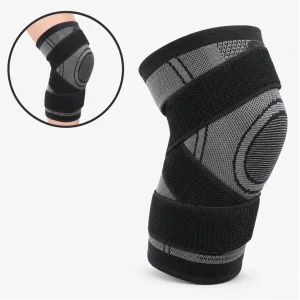 Knee Sleeve Black Grey Nylon Adjustable Strap Knee Support Sizes M to XXXL
$26.99
Knee Sleeve Black Grey Nylon Adjustable Strap Knee Support Sizes M to XXXL
$26.99
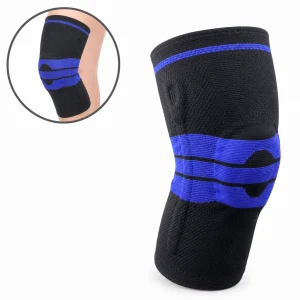 Gel Knee Brace Black Blue Nylon Spandex Silicone Support Sleeve with Spring Stabilizers and Gel Pad Sizes M to XL
$39.99
Gel Knee Brace Black Blue Nylon Spandex Silicone Support Sleeve with Spring Stabilizers and Gel Pad Sizes M to XL
$39.99
 Carpal Tunnel Strap Wrist Brace Support Left or Right Hand
$9.99
Carpal Tunnel Strap Wrist Brace Support Left or Right Hand
$9.99
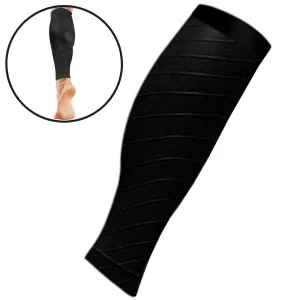 Calf Compression Sleeve Adsports 20-30 mmHg Class 2 Black 27cm Universal Fit
$12.99
Calf Compression Sleeve Adsports 20-30 mmHg Class 2 Black 27cm Universal Fit
$12.99
 Elbow and Arm Compression Sleeves Adsports ACS-1000
$9.99
Elbow and Arm Compression Sleeves Adsports ACS-1000
$9.99
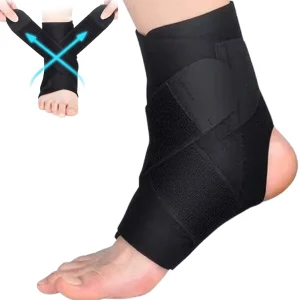 Ankle Support Brace with Figure-8 Straps and PE Stabiliser – Adjustable One Size, Black
$19.99
Ankle Support Brace with Figure-8 Straps and PE Stabiliser – Adjustable One Size, Black
$19.99
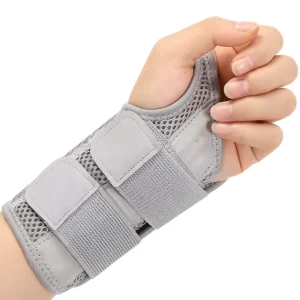 Wrist Support Splint Brace for Left Hand Grey Adjustable 15-22cm for Carpal Tunnel, Tendonitis, Sprain and Wrist Pain
$24.99
Wrist Support Splint Brace for Left Hand Grey Adjustable 15-22cm for Carpal Tunnel, Tendonitis, Sprain and Wrist Pain
$24.99
Product Range
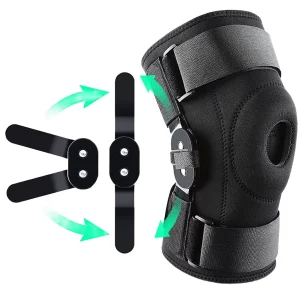 Hinged Knee Brace with Steel Side Plates and Adjustable Straps (XL)
$59.99
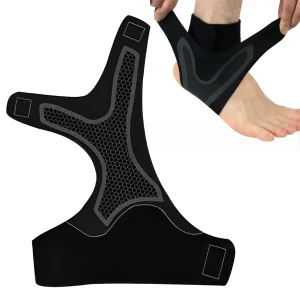 Ankle Brace Right Foot Black Grey Adjustable Velcro L Size
$24.99
 Knee Brace NZ Compression Sleeve, Breathable Knee Support Size M
$16.99
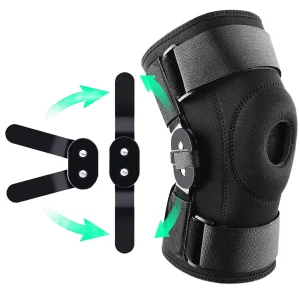 Hinged Knee Brace with Steel Side Plates and Adjustable Straps (M)
$59.99
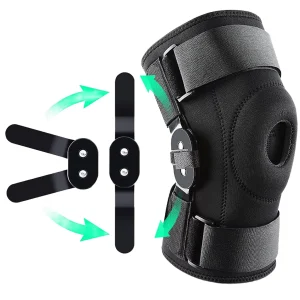 Hinged Knee Brace with Steel Side Plates and Adjustable Straps (S)
$59.99
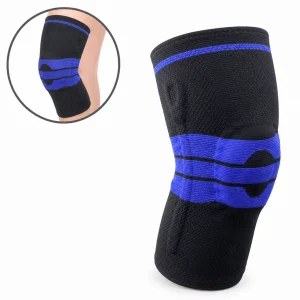 Gel Knee Brace with Spring Stabilizers & Gel Pad Extra Large Size
$39.99
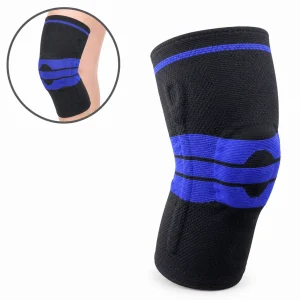 Gel Knee Brace with Spring Stabilizers & Gel Pad Large Size
$39.99
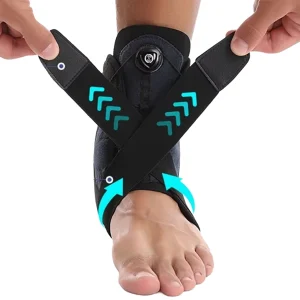 Universal Fit Ankle Brace Adsports Black & Blue Dial-Adjustable Support with Compression Straps
$29.99
 Knee Compression Sleeve S Small Size Black Colour
$16.99
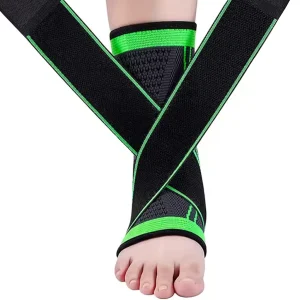 Ankle Brace with Straps Adsports Black & Green Compression Sleeve XL Size
$19.99
 Elbow and Arm Compression Sleeve XX Large Size ACS-1000-XXL
$9.99
 Extra Large Ankle Brace with Straps Compression Sleeve Support Black & Grey
$19.99
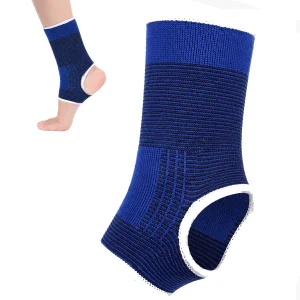 Ankle Brace Compression Sleeve Blue Cotton 19 x 8cm Pull-On Ankle Support
$9.99
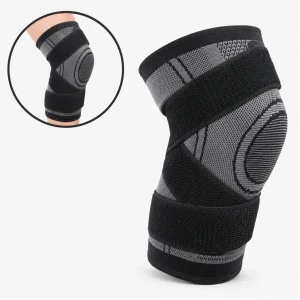 Knee Sleeve Extra Large Size With Adjustable Strap Support - XL
$26.99
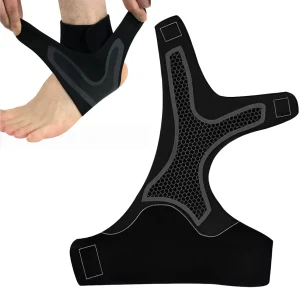 Ankle Support Brace Left Foot Black Grey Adjustable Velcro M Size
$24.99
 Elbow and Arm Compression Sleeve Large Size ACS-1000-L
$9.99
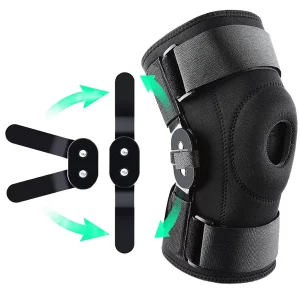 Hinged Knee Brace with Steel Side Plates and Adjustable Straps (L)
$59.99
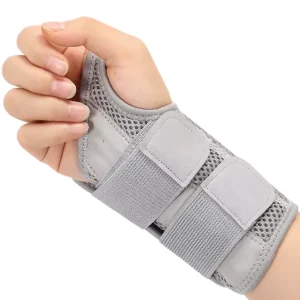 Wrist Splint Brace for Right Hand Adjustable 15-22cm for Carpal Tunnel, Tendonitis, Sprain and Wrist Support
$24.99
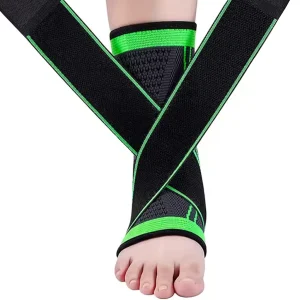 Ankle Brace with Straps Adsports Black & Green Compression Sleeve Medium Size
$19.99
 Knee Support Brace XL Extra Large Size Black Colour
$16.99
Medium Ankle Brace with Straps Compression Sleeve Support Black & Grey
$19.99
Ankle Support Brace with Figure-8 Straps and PE Stabiliser – Adjustable One Size, Black
$19.99
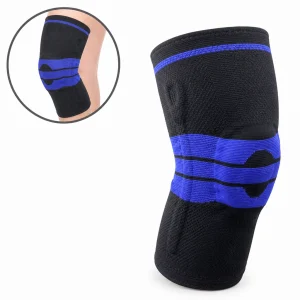 Gel Knee Brace with Spring Stabilizers & Gel Pad XX Large Size
$39.99
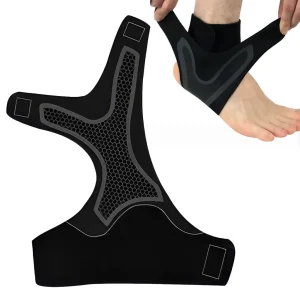 Ankle Brace Right Foot Black Grey Adjustable Velcro XL Size
$24.99
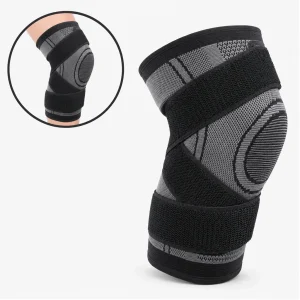 Knee Sleeve XX Large Size With Adjustable Strap Support - XXL
$26.99
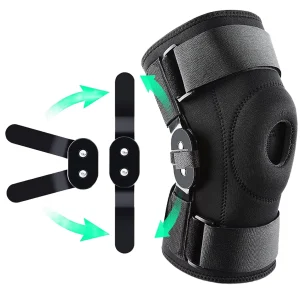 Hinged Knee Brace with Steel Side Plates and Adjustable Straps (2XL)
$59.99
 Compression Knee Sleeve L Large Size Black Colour
$16.99
Carpal Tunnel Strap Wrist Brace Support Left or Right Hand
$9.99
 Ankle Brace with Straps Adsports Black & Green Compression Sleeve Large Size
$19.99
 Elbow and Arm Compression Sleeve Medium Size ACS-1000-M
$9.99
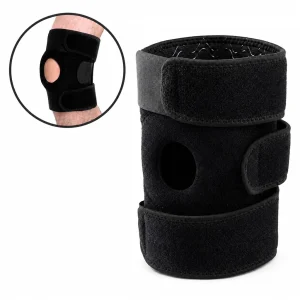 Knee Support Brace Adjustable Black Open Patella Knee Brace with Velcro Straps 60 x 20cm
$26.99
Carpal Tunnel Splint Brace to Relieve Tendonitis for RIGHT Hand
$22.99
Large Ankle Brace with Straps Compression Sleeve Support Black & Grey
$19.99
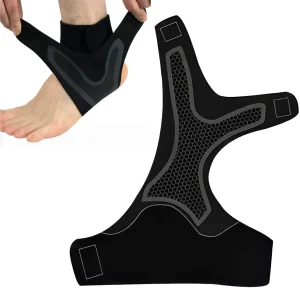 Ankle Support Brace Left Foot Black Grey Adjustable Velcro XL Size
$24.99
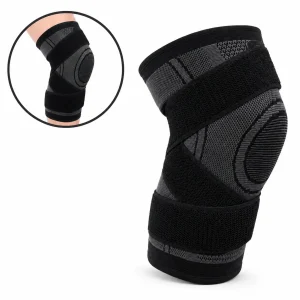 Knee Brace Support XXX Large Size With Adjustable Strap - XXXL
$26.99
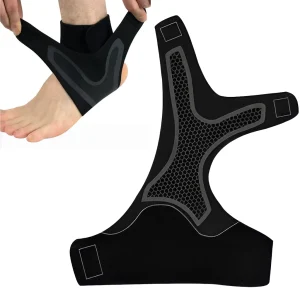 Ankle Support Brace Left Foot Black Grey Adjustable Velcro L Size
$24.99
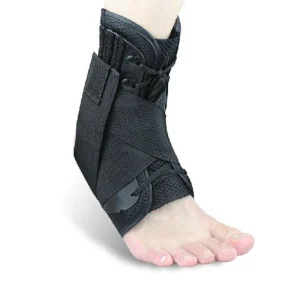 Ankle Strap Support Brace Black Neoprene Adjustable with Aluminium Splints
$19.99
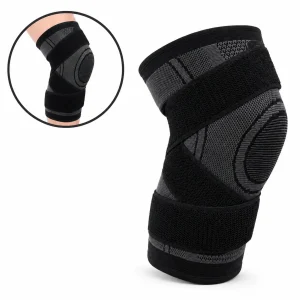 Knee Brace Small Size With Adjustable Strap Support - S
$26.99
Wrist Support Splint Brace for Left Hand Grey Adjustable 15-22cm for Carpal Tunnel, Tendonitis, Sprain and Wrist Pain
$24.99
 Knee Support Compression Sleeve Brace XXXL Size Black Colour
$16.99
 Elbow and Arm Compression Sleeve Extra Large Size ACS-1000-XL
$9.99
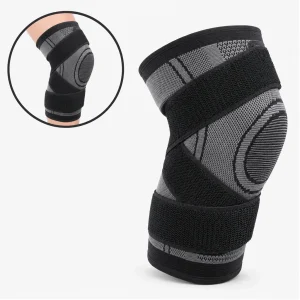 Knee Sleeve Large Size With Adjustable Strap Support - L
$26.99
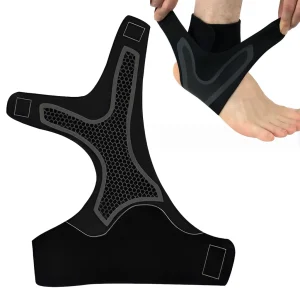 Ankle Brace Right Foot Black Grey Adjustable Velcro M Size
$24.99
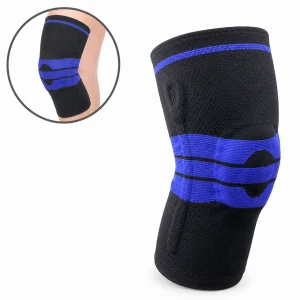 Gel Knee Brace with Spring Stabilizers & Gel Pad Medium Size
$39.99
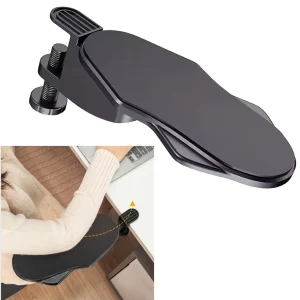 Clamp On Desk Arm Rest Black Adjustable Ergonomic Forearm Support 33.4 x 14.3 cm
$24.99
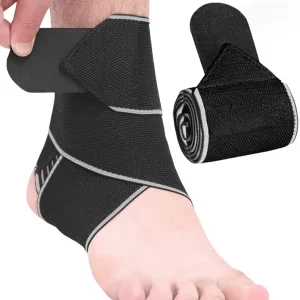 Ankle Brace Strap Black Grey Universal Fit Adjustable Velcro 85 x 8cm
$29.99
Calf Compression Sleeve Adsports 20-30 mmHg Class 2 Black 27cm Universal Fit
$12.99
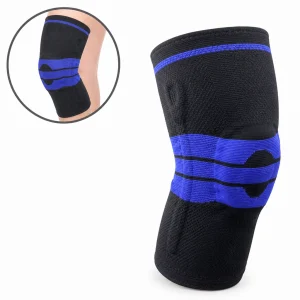 Gel Knee Brace with Spring Stabilizers & Gel Pad XXX Large Size
$39.99
 Knee Brace XXL Large Size Black Colour
$16.99
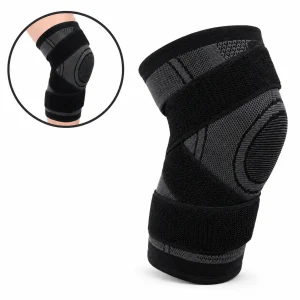 Knee Brace Medium Size With Adjustable Strap Support - M
$26.99
Carpal Tunnel Syndrome Splint to Relieve Tendonitis LEFT Hand
$22.99
Recovery and Prevention Buyer Guide
Recovery and prevention products help support joints, muscles, and common strain areas during daily movement, training, or desk work. Choose the product by body area, fit, and support level.
Compression Sleeves
Compression sleeves suit buyers who want light, flexible support without bulky straps. They can suit sport, walking, work, training, and general recovery support.
This range includes knee sleeves, calf sleeves, and arm sleeves. Therefore, it is best to measure the correct body area before ordering.
Wearable Braces
Wearable braces give more hold than basic sleeves. They can help support the ankle or wrist during movement, work, or light activity.
Ankle braces use straps for a more adjustable fit. Wrist straps and splints offer different support levels, so check whether you need flexible support or firmer wrist positioning.
Wrist Splints and Carpal Tunnel Supports
Wrist splints suit buyers who want more structure around the wrist. Some options are left-hand or right-hand specific, while others suit either hand.
These supports may suit typing, mouse use, repetitive tasks, or general wrist support. However, they are not a replacement for medical advice.
Ergonomic Forearm Support
The clamp-on desk arm rest suits computer, office, study, and gaming setups. It supports the forearm beside a desk, which may reduce pressure during keyboard or mouse use.
This product belongs in ergonomic support rather than compression sleeves, because it is a desk-mounted support rather than a wearable brace.
How to Choose the Right Product
- For knees: choose a knee sleeve and match the size guide before ordering.
- For calves: choose a calf compression sleeve for lower-leg support.
- For ankles: choose a strapped ankle brace for extra hold.
- For arms and elbows: choose a pull-on compression sleeve.
- For wrists: choose a strap for flexible support or a splint for firmer positioning.
- For desk work: choose an ergonomic forearm support.
Fit and Safety Tips
Wearable supports should feel firm, but not painful. Stop using them if they cause numbness, tingling, swelling, or discomfort.
For injury, ongoing pain, circulation issues, or swelling, seek advice from a health professional before use. Replace supports if fabric stretches, straps weaken, seams fail, or splints lose shape.