 Pannier Bags with Rack RK19665-PBR001 65L Black Yellow PVC Set with Detachable Backpack
$299.00

Our pannier racks range includes rear carriers, front fork holders, and rack-and-bag sets for commuting, touring, and bikepacking. Match the rack to your bike mounts, luggage size, and safe load limit before riding.
Pannier Bags with Rack RK19665-PBR001 65L Black Yellow PVC Set with Detachable Backpack
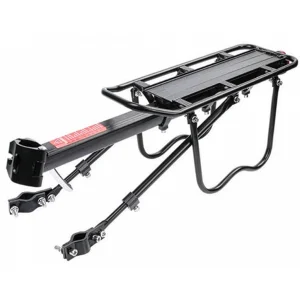 Pannier Rack 50kg Black Aluminium Alloy Rear Bike Carrier with Guardrails and Reflector
 Light Duty Pannier Rack PR9KG 9kg Rear Bike Carrier for 25-33mm Seat Posts
 Fork Mount Bike Rack ASHDPF10 Front Fork Carrier for Dry Bags and Bikepacking Gear
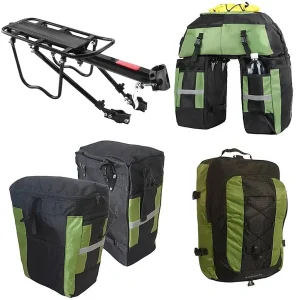 Bicycle Pannier Bags with Rack PB70L 70L 3 Piece Touring Bag Set with Rain Cover
 Front Pannier Rack NBFPR1S Black PVC Fork Mounted Dry Bag Holder 3L to 10L
Pannier racks help carry gear on your bike without putting all the weight on your back. However, the right option depends on your bike frame, mounting points, wheel setup, and the weight you plan to carry.
Rear pannier racks suit commuting, errands, touring, and general bike storage. A light duty rear rack is better for small loads and everyday items. A higher rated rear carrier suits larger pannier bags or heavier cargo, provided your bike can safely handle the weight.
Front fork racks suit bikepacking and riders who want to spread luggage across the bike. They work well with small dry bags, compact clothing, food, or light camp gear. However, front loads affect steering more than rear loads, so keep both sides balanced.
Rack and bag sets suit riders who want a ready-matched rear storage system. The larger 65L and 70L options are useful for touring, commuting, and longer rides. Also, separate side bags and top bags make it easier to organise tools, clothing, food, and wet-weather gear.
Always check more than the rack rating. Your safe load limit is the lowest rated part of the full bike setup. Check the bike frame, fork, seat tube, seat post, wheels, tyres, axle, and brake clearance before adding heavy luggage.
For example, a rack may have a high listed rating. However, your bike frame, fork, or wheels may have a lower safe carrying limit. Therefore, never assume the rack rating alone means your bike can carry that full weight.
Choose a light rear rack for smaller daily loads. Choose a stronger rear rack for larger pannier bags, only when your bike also supports the load. Choose front fork racks for bikepacking storage and better weight spread. Choose a rack-and-bag set when you want bags and rack support in one setup.