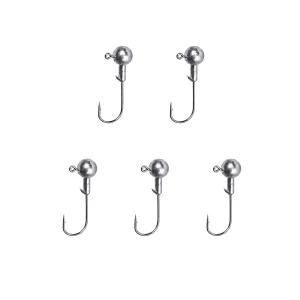
 5g Jig Heads 5 Pack Ball Head Soft Bait Hooks with Line Eye and Bait Keeper
$4.99

Shop jig heads for soft bait fishing in New Zealand, including light 5g and 7g options, balanced 10g and 14g sizes, and heavier 20g jig heads for deeper water or stronger current. These ball head jig hooks suit soft plastic lures such as grubs, worms, curl tails and paddle tails. Choose lighter jig heads for shallow estuaries, canals and calm harbour edges, or move up in weight when you need more casting distance, faster sink rate and better lure contact.
5g Jig Heads 5 Pack Ball Head Soft Bait Hooks with Line Eye and Bait Keeper
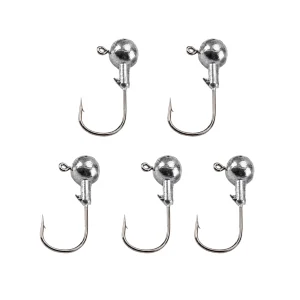 10g Jig Heads 5 Pack Ball Head Soft Bait Hooks with Line Eye and Bait Keeper
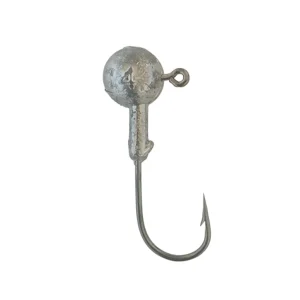 14g Jig Head Ball Head Soft Bait Hook with Line Eye and Bait Keeper
 7g Jig Heads 5 Pack Ball Head Soft Bait Hooks with Line Eye and Bait Keeper
 20g Jig Head Ball Head Soft Bait Hook with Line Eye and Bait Keeper
Jig heads play a major role in how a soft bait casts, sinks and swims. The right weight helps your lure reach the strike zone while still looking natural. In New Zealand, anglers often change jig head size based on depth, wind, tide, current and the size of the soft plastic lure being used.
Lighter jig heads give soft baits a slower and more natural fall. This can work well when fish are cautious or feeding in shallow water. However, light jig heads may struggle in wind, current or deeper water because they can drift too high or lose contact with the angler.
Heavier jig heads generally cast farther and sink faster. Therefore, they are useful from shore, rocks, wharves, harbour edges and boats when you need the lure to reach fish quickly. However, heavier weights can drop too fast in shallow water, so it helps to match the weight to the conditions.
These jig heads suit soft bait fishing for common New Zealand species such as snapper, kahawai, trevally, gurnard, trout and other fish that take soft plastic lures. For the best action, thread the soft bait straight onto the hook so the body sits naturally behind the round head.
Use the lightest jig head that still lets you cast well, reach the right depth and stay in touch with the lure. If the soft bait drifts too high, sinks too slowly or feels hard to control, move up in weight. If it drops too fast or snags often, move down to a lighter jig head.